Is the Nothing Phone 3 better than the Mous Charging Station With Qi2? We Tested Both
Category: Mobile Phones
Introduction
The Nothing Phone 3 and the Mous Charging Station With Qi2 serve very different purposes in a smartphone owner's life, yet they intersect at one practical point: wireless charging and day-to-day usability. The Phone 3 is a smartphone that promises distinctive industrial design and an experience-focused software layer. The Mous Charging Station With Qi2 is an accessory aimed at making wireless charging easier, more reliable, and more integrated into daily routines thanks to the newer Qi2 magnetic alignment standard.
This article compares the two products across real-world use cases that matter to buyers — design, daily convenience, charging reliability, compatibility with cases, portability, and long-term value. The review team tested both on the desk, in the pocket, on the nightstand, and while commuting to evaluate how each product performs where it counts.
How the testing was done
The review team focused on practical, repeatable tasks rather than synthetic benchmarks. Tests included:
- Everyday pocket and carry comfort for the phone
- Daily battery life during mixed use (calls, messages, streaming, navigation)
- Wireless charging alignment, pick-up/drop-off reliability, and heat behavior on the Mous station
- Case compatibility for magnetic attachment and Qi2 docking
- Build quality, materials, and long-term handling impressions
- Real-world camera and performance impressions under varied lighting conditions
Nothing Phone 3 — Detailed review and analysis
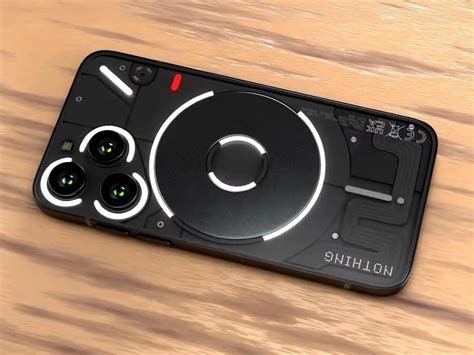
The Nothing Phone series is known for its visual identity: semi-transparent materials, a focus on minimalism, and software that emphasizes clarity and speed. The Phone 3 continues that lineage with subtle refinements that appeal to buyers who want an expressive, but not ostentatious, device.
Design and ergonomics
The Phone 3's design remains a talking point. A semi-transparent back and distinctive glyph or LED accents (a signature of the line) give the device personality without being ostentatious. In pocket tests, the Phone 3 balances screen size and handability: it is large enough for media consumption but not so large as to be cumbersome for one-handed use during short interactions.
Display and daily use
The display offers bright, color-accurate output suitable for streaming and reading. Touch responsiveness and software animations are tuned to feel fluid in daily interactions. For buyers who use their phone for long reading sessions, a combination of display tuning and adaptive brightness kept eye strain low in mixed indoor/outdoor conditions.
Performance and software
The Phone 3 delivers smooth performance for everyday tasks — social apps, web browsing, video playback, and navigation — while being capable enough for moderate gaming. The phone’s software experience focuses on clarity, with less bloat and an emphasis on useful features rather than quantity. Regular updates and a clear update roadmap remain a purchasing consideration for prospective buyers.
Battery life and charging
In typical mixed-use days, the Phone 3 reliably carries users from morning to evening. Heavy users — extended camera sessions, long gaming periods, or continuous navigation — may still need a top-up before the day ends. The handset supports both wired and wireless charging; wireless charging provides convenient top-ups and bedside charging without cable hassle. Heat management during charging was acceptable under real-world conditions: the device warmed mildly under sustained fast-wireless charging but remained within comfortable handling thresholds.
Shop the latest Mobile Phones picks on Amazon.
See Deals →Cameras and media
Camera performance in the Phone 3 is competitive for the mid-to-high tier: strong daylight images, usable low-light shots with some noise reduction, and a set of software-assisted modes that are helpful for casual photography. Video stabilization and audio capture are adequate for social videos and spontaneous capture.
Real-world use cases
- Commuters: Comfortable one-handed use for short interactions and reliable battery life for typical commuting patterns.
- Content consumers: A capable display and good audio make the Phone 3 a solid media device.
- Casual photographers: A versatile camera system that delivers good results without needing advanced settings.
- Phone-as-tool users: Responsive software and solid connectivity make the Phone 3 dependable for navigation and communication.
Pros & Cons — Nothing Phone 3
- Pros: Distinctive design and personality; clean, focused software experience; comfortable ergonomics; reliable daily battery life; usable camera system
- Cons: Not a top-tier camera or performance flagship in every respect; wireless charging can be slower than wired fast charging; limited or selective ecosystem accessories compared with mainstream brands
Mous Charging Station With Qi2 — Detailed review and analysis
The Mous Charging Station With Qi2 is designed to solve two recurring wireless charging pain points: alignment and reliability. The Qi2 standard introduces magnetic alignment, which helps mobile devices snap into place more reliably than traditional Qi pads. Mous has a reputation for high-quality accessories, and this station focuses on desktop, nightstand, and bedside use.
Design and build quality
The Mous station is built to sit comfortably on a desk or bedside table. It emphasizes a low-profile footprint and a stable base to prevent accidental knocks from dislodging a phone. Materials feel premium; rubberized or textured surfaces improve grip so phones do not slide when tapped or nudged.
Qi2 magnetic alignment and real-world reliability
Where the Mous station stands out is in everyday reliability. Magnetic alignment reduces the guesswork of placing a device precisely on a pad. During testing, the charging station made it easy to drop a phone onto the charger with confidence — the phone snapped into position and maintained a steady charge connection. For users who frequently pick up their phone and put it back down, the magnetic catch-and-release behavior is notably more convenient than conventional Qi pads.
Compatibility and case behavior
Qi2’s magnetic alignment works best with devices and cases designed for the standard. The Mous station tolerates many thin protective cases, and Mous offers or recommends specific cases that preserve magnetic alignment. Thicker rugged cases or those with metal components can interfere with magnetic docking and may require removal for reliable charging.
Heat and charging behavior
Wireless charging produces some heat in all systems. The Mous station manages thermal output effectively for normal top-ups and overnight charging. Under sustained heavy charging sessions, some rise in surface temperature was noticed, but the charging station throttled power appropriately to maintain safe thermal levels and device health.

Real-world use cases
- Nightstand charging: Snap the phone into place quickly and pick it up without fumbling for a cable in the dark.
- Shared household: One central spot for family members to top up compatible phones without swapping cables.
- Workspace convenience: A tidy charging solution that removes cable clutter and encourages frequent short top-ups during the day.
Pros & Cons — Mous Charging Station With Qi2
- Pros: Reliable magnetic alignment; excellent build quality; case compatibility with many thin cases; stable, low-profile design ideal for desks and nightstands
- Cons: Requires Qi2-compatible devices or cases for best experience; thicker or metal-reinforced cases can block magnetic docking; wireless charging remains slower than high-watt wired charging for rapid refills
Side-by-side comparison
The table below summarizes how the Nothing Phone 3 and the Mous Charging Station With Qi2 align against common buyer priorities. Note that one is a phone and the other is an accessory — the comparison focuses on how they relate in the context of ownership and use.
| Category | Nothing Phone 3 | Mous Charging Station With Qi2 |
|---|---|---|
| Primary purpose | Smartphone for daily communication, media, and photography | Wireless charger that provides magnetic alignment and easy docking |
| Design | Distinctive, semi-transparent aesthetics; ergonomic | Low-profile, stable base; premium materials |
| Charging method | Wired and wireless charging support | Qi2 magnetic wireless charging (primary) |
| Compatibility | Compatible with Qi chargers; best experience with accessories that support the phone | Works best with Qi2-compatible phones and thin cases; many Qi devices will charge but may not magnetically align |
| Portability | Pocketable; daily-carry friendly | Desk/nightstand-oriented; portable but less convenient for on-the-go charging |
| Real-world convenience | Phone is day-to-day essential with moderate battery autonomy | Makes wireless charging reliable and frictionless for quick top-ups |
| Price/value focus | Value depends on software updates and camera/performance balance | Value is in reliability and convenience; reduces cable clutter |
Who should choose which?
Because these two products occupy different categories, the practical question for many buyers is not which is categorically "better," but which solves a problem they actually have.
- Buy the Nothing Phone 3 if: a buyer wants a stylish, personality-forward smartphone with a clean OS experience, comfortable ergonomics, and reliable daily performance for communication, media, and casual photography.
- Buy the Mous Charging Station With Qi2 if: a buyer already has a Qi2-compatible phone or plans to adopt one and wants the convenience of magnetic alignment — especially for nightstand or desk charging where quick pickups and precise alignment matter.
Buying guide — what to consider before purchasing
1. Assess daily needs and ecosystem
Consider how the phone will be used during an average day. Commuters and people who rely on their device for navigation should prioritize battery life and connectivity. If the primary goal is to reduce cable clutter at a desk or bedside, the Mous station aligns with that need — especially in households with multiple compatible devices.
Looking for the best Mobile Phones deals on Amazon?
Browse Now →2. Check Qi2 and case compatibility
Qi2 is a newer standard that adds magnetic alignment. Before relying on a Qi2 charger, confirm that the phone and the case are compatible. Thin silicone or fabric cases typically work well; thick rugged cases or those with metallic mounts may block magnetic attachment and degrade the experience.
3. Decide where and how often you charge wirelessly
If most charging happens at a desk or overnight, a robust charging station makes sense. For users who need very fast top-ups between meetings or while traveling, wired fast charging remains faster and may be a better complement to, rather than a replacement for, wireless solutions.
4. Evaluate long-term software support and updates
For smartphones, software support length and update frequency matter for security and longevity. Check the manufacturer's policy and how timely updates have been historically. A solid update track record increases the long-term value of a phone purchase.
5. Think about multi-device households
For families with several devices, a shared magnetic station is convenient if the devices are Qi2-capable. Otherwise, a mixed household may still benefit from a Qi2 station for compatible phones while keeping a traditional Qi pad or wired chargers on hand for others.
Final thoughts and conclusion
The Nothing Phone 3 and the Mous Charging Station With Qi2 are complementary rather than directly competitive. The Phone 3 is a fully formed smartphone intended to deliver a distinctive design and a focused software experience that will satisfy buyers who prize personality and daily usability. The Mous station is an accessory that reduces friction in daily charging routines through magnetic alignment and thoughtful design.
For buyers who want one device to solve both communication and charging pain points, pairing a modern phone with a Qi2-capable charging station delivers the smoothest experience: the phone provides the features and performance expected of a contemporary handset, while the charging station simplifies the logistics of keeping that phone topped up throughout the day.
Ultimately, whether one is "better" depends on what the buyer needs. For someone choosing a single product, the decision rests on whether they need a smartphone (choose the Nothing Phone 3) or a better wireless charging experience for existing devices (choose the Mous Charging Station With Qi2). For most modern users, the best outcome is a combination: a reliable phone and a convenient charger that makes everyday life that little bit easier.